Cognitive Behavioral Therapy for Addiction: How CBT Works
Addiction is a complex condition. It affects not just behavior, but also thoughts, emotions, and decision-making. Recovery for addiction is rarely about willpower alone. Addiction recovery requires support, evidence-based treatment, and practical tools that help individuals understand and change the patterns driving substance use. One among the various addiction treatments is Cognitive Behavioral Therapy (CBT), it is the most effective and widely researched approach. CBT is a form of psychotherapy; it helps individuals identify and change negative thought patterns and behaviors that lead to substance use.
It was originally developed by psychiatrist Aaron Beck in the 1960s and now it is used for the treatment of substance use disorders (SUDs), anxiety, depression, and other mental health conditions. In this article let's explore what CBT is, how it works in addiction treatment, its benefits and what to expect during therapy.
Key Takeaways:
CBT is a proven and evidence-based treatment for addiction.
It focuses on changing behaviors, thoughts, and coping strategies.
Effective for relapse prevention and long-term recovery.
Cognitive Behavioral Therapy is typically short-term, structured, and goal oriented.
CBT empowers individuals to manage life challenges without substances.
What Is Cognitive Behavioral Therapy (CBT)?
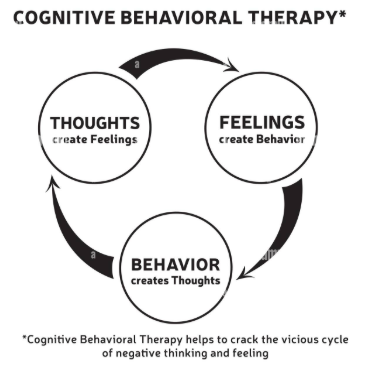
CBT is a structured form of psychotherapy, it focuses on the connection between emotions, thoughts, and behaviors. The core idea of CBT is, “The way we think influences how we feel and how we act.”
It helps affected individuals to recognize dysfunctional automatic thoughts, maladaptive thinking patterns (cognitive distortions), and deeply held core beliefs that lead to emotional distress and unhealthy behaviors.
Behavioral Therapy emphasizes the present, what is happening now and what can be changed today to improve well-being, rather than focusing extensively on the past.
Key Characteristics of Cognitive Behavioral Therapy:
Feature | Description |
Evidence-based | It is backed by decades of scientific research |
Goal-oriented | CBT focuses on specific and measurable treatment goals. |
Short-term | Depending on needs, it often lasts for 8–12 weeks. |
Collaborative | Clients and therapists work as a team. |
Skills-focused | Emphasizes on problem-solving skills and practical coping. |
CBT is highly adaptable, to each individual’s unique challenges, strengths, and recovery goals, therapists design the sessions.
How Is CBT Used in Addiction Treatment?
Cognitive Behavioral Therapy is effective for treating substance use disorders. It includes alcohol use disorder, opioid addiction, stimulant use disorder, and polysubstance use. By learned behaviors and distorted thinking patterns such as, addiction is often maintained:
“I cannot cope without using it.”
“Only one drink won’t hurt me.”
“I have already failed, so it does not matter.”
With healthier and more realistic alternatives, CBT helps individuals identify, challenge, and replace these thoughts.
Core Goals of CBT in Addiction Treatment:
CBT for addiction focuses on:
Developing healthy coping strategies
Increasing awareness of substance-related behaviors and thoughts.
Enhancing motivation for change.
Preventing relapse of addiction behaviors.
Identifying triggers and high-risk situations
It is especially effective for relapse prevention, because CBT addresses both cognitive and environmental triggers.
How Does CBT Work for Addiction?
It is based on some of its core principles:
Psychological distress is sometimes partly based in unhelpful or inaccurate thinking.
The maladaptive behaviors are learned and can be unlearned.
Individuals can develop healthier coping strategies that reduce the symptoms.
Through active participation and practice, change occurs.
Therapists and clients work together, in CBT sessions, to examine thought patterns, test beliefs against reality, and develop actionable strategies for change.
Common CBT Techniques Used - Addiction Treatment:
Technique | How It Helps |
Cognitive restructuring | It challenges the distorted thoughts that fuel substance use. |
Trigger identification | Helps to recognize situations, emotions, or people linked to cravings. |
Skills training | Builds coping tools for stress, urges, and conflict. |
Behavioral activation | Encourages rewarding activities and healthy routines. |
Role-playing | In high-risk situations, assists practice responses. |
Psychoeducation | It helps clients understand recovery and addiction |
Without turning to substances, over time, individuals learn to respond differently to stress, cravings, and emotional discomfort.
Why Cognitive Behavioral Therapy Focuses on the Present?
One of the most defining features of CBT is its present-focused approach. Therapy centers focus on what can be changed now, while past experiences are acknowledged. For people who feel stuck in guilt, shame, or past mistakes, this can be empowering. Change is always possible with the right tools and support; CBT reinforces the idea that thoughts are not facts.
CBT can also be combined with other treatments such as:
Medication-assisted treatment (MAT)
Group therapy
Family therapy
12-step or peer support programs
This integration approach increases the likelihood of long-term recovery.
Benefits of Cognitive Behavioral Therapy for Addiction:
For individuals recovering from addiction, CBT offers numerous benefits.
Six Benefits of CBT for Addiction Recovery
Identifying Triggers - CBT assists individuals recognize external and internal triggers that lead to substance use.
Developing Coping Strategies - To manage cravings, stress, and emotional discomfort clients learn practical tools.
Changing Negative Thought Patterns - It targets distorted thinking that perpetuates addiction and replaces it with healthier perspectives.
Improving Emotional Regulation - Without substances, clients learn how to manage emotions like anxiety, anger, and sadness.
Enhancing Problem-Solving Skills - CBT helps handle real-world challenges constructively and builds confidence.
Building Support Networks - Therapy emphasizes the importance of accountability, social support, and healthy relationships.
Aims of CBT in Addiction Treatment
The aims of CBT extend beyond abstinence from addiction and they include:
Facing fears instead of avoiding them.
Developing awareness of harmful thinking patterns.
Learning stress-management techniques and learning relaxation.
Improving self-confidence and emotional resilience.
In light of reality, re-evaluating beliefs.
CBT helps individuals gain a sense of control over their emotions, thoughts, and behaviors.
Finding CBT for Addiction Treatment Near You
Seeking professional help is a crucial first step, if you or someone you know is struggling with addiction or co-occurring mental health conditions.
As part of a comprehensive recovery plan, many treatment centers and outpatient programs offer CBT, including:
Individual therapy
Group therapy
Aftercare and relapse prevention support
With the right tools, guidance, and support, recovery is possible.
Frequently Asked Questions (FAQs)
1. How long does CBT take for addiction?
Although the duration may vary based on individual needs, CBT is short-term and often lasts 8–12 weeks.
2. Can CBT be used for all types of addiction?
Yes, CBT is effective for opioid, alcohol, stimulant, and behavioral addictions.
3. Is CBT effective on its own?
Outcomes are often strongest, when combined with other treatments like medication or group therapy. Although CBT can be effective alone.
4. Does CBT work for co-occurring disorders?
Yes, it is widely used for individuals with both addiction and mental health conditions such as anxiety or depression.
5. Is CBT suitable for everyone?
Treatment should always be personalized, while highly effective for many. If CBT is the right fit, qualified professionals can help determine.
- Cognitive Restructuring Worksheet
- INTP Cognitive Functions: Into the Ti–Ne Mind
- Addenbrooke’s Cognitive Examination (ACE)
- Neurotypical Meaning: What It Really Means in Neuroscience
- Sluggish Cognitive Tempo (SCT): Understanding Cognitive Disengagement Syndrome (CDS)
- Cognitive Empathy: Neural Mechanisms, Functional Roles, and Development